Natural masks made from easy-to-find ingredients such as carrot, green tea and cucumber are something people with acne-prone skin often use alongside their basic skincare. This column covers the ingredients of these three masks, how to make them and what to check before using them. To give the conclusion first, natural masks are a supporting form of care that helps with oil control, soothing and hydration. If an allergic reaction appears, or if hard, pus-filled acne keeps coming back, seeing a dermatologist should come before any mask.
Which natural masks can help acne-prone skin?
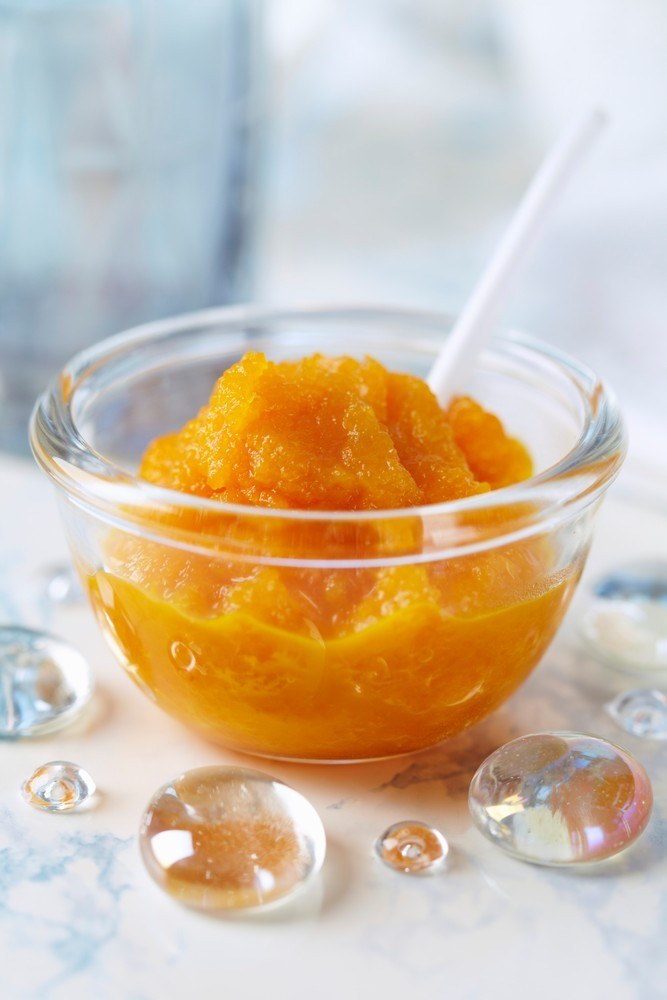
A carrot mask is made from carrots, which are rich in beta-carotene, vitamin A, vitamin C and antioxidants. Vitamin C and beta-carotene help suppress the production of melanin pigment, so the mask is used to soften melasma and dark spots. It is also said to help prevent and reduce acne by regulating oil production while its antioxidant action calms inflammation.
The green tea powder in a green tea mask contains catechins, vitamin C, vitamin E and tannins. Tannins in particular tighten pores and regulate excess oil, which suits oily skin. Cucumber, used in a cucumber mask, is very low in irritation and is considered a good ingredient even for sensitive skin. With a water content of over 95%, its hydrating and cooling effect is used to calm heat and redness.
- Carrot mask — vitamin C and beta-carotene help suppress melanin production and regulate oil
- Green tea mask — tannins tighten pores and regulate excess oil production
- Cucumber mask — a water content of over 95% supports hydration, and its low irritation suits sensitive skin
How are natural masks made, and how long should they stay on the face?
For a carrot mask, the carrot is finely grated, mixed with honey or yoghurt, spread over the face and washed off with lukewarm water after 10 to 15 minutes. For a green tea mask, a tablespoon of green tea powder is mixed with honey and yoghurt into a thick paste, applied after cleansing, wiped off with lukewarm water after 10 to 15 minutes, and followed by a moisturising cream.
Cucumber can be sliced thinly and placed on the face, but the slices dry out if left as they are, so grating it finely into a mask works better. The grated cucumber is mixed with honey and flour until it is thick enough not to run, and then applied to the face.
When should a dermatology visit come before a natural mask?
Natural masks are easily assumed to be gentle, but depending on allergies and skin sensitivity, reactions such as redness, itching and stinging can appear. When trying an ingredient for the first time, it is safer to find out which irritants the skin reacts to, discuss it with a dermatologist and then choose a suitable mask.
Acne is a condition in which excess oil blocks the pores, bacteria multiply and inflammation develops. As it progresses from comedones to papules, pustules, nodules and cysts, the inflammation reaches deeper into the dermis, and when dermal collagen breaks down, a depressed scar is left behind. Squeezing a spot because pus is visible pushes the inflammation further down, turning what could have stayed shallow into something deeper.
- Allergic or sensitive reactions — even natural ingredients can cause redness, itching and stinging
- Pus — filled pustules — they may look ready to squeeze, but pressing them drives the inflammation deeper
- Hard nodules and cysts — the inflammation reaches the dermis and easily leads to scarring