Yonsei Kim & Lee Dermatology Doctor's Column
Dermatology Column

Why Do Flat Warts Come Back After Laser Removal?

Why flat warts recur even after treatment, and the treatment and care methods that lower the recurrence rate.

Published 2026-11-03 Updated 2026-11-03 Reviewed by Taehyung Kim, Medical Director · Dermatology Specialist

Flat warts are an infectious skin disease caused by HPV, the human papillomavirus, and because current medical technology has no treatment that completely removes the virus itself, recurrence after treatment is not uncommon. The fact that recurrence is unavoidable does not mean that treatment itself is meaningless; the frequency of recurrence and the extent to which lesions spread differ greatly depending on when diagnosis and treatment are received, the treatment method, and lifestyle care afterwards.

This column sets out, in order, why flat warts recur, the treatment conditions that lower the recurrence rate, and the lifestyle care that follows.

01

Why do flat warts keep coming back?

Key point
Flat warts recur frequently because they are not a simple skin blemish but an infectious disease caused by HPV, the human papillomavirus. This is because there is no treatment that removes the virus itself, so even when the lesions are removed, the virus can remain in the surrounding area.

Flat warts are skin-coloured papules about the size of a grain of rice, and because they cause no pain they are easily mistaken for a blemish. What sets them apart from acne is that they spread by touch, so 2 to 3 can increase to dozens or hundreds.

There is no treatment that removes HPV, so even after removal by laser or cryotherapy, the warts recur if the virus remains. Flat warts are an infectious disease that calls for recurrence management rather than a complete recovery.
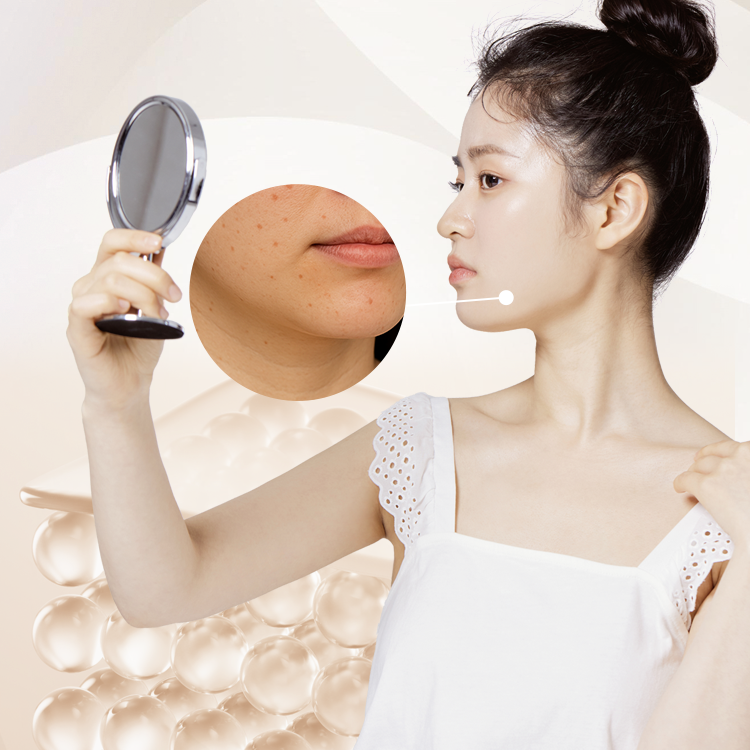
Anatomy illustration related to Why Do Flat Warts Come Back After Laser Removal?
02

Which treatment conditions should be checked to lower the recurrence rate?

Key point
To lower the recurrence rate, three things need to be in place together: an energy setting matched to the size of the lesion, a precise diagnosis that finds even minute lesions, and treatment that destroys the lesion to a sufficient depth without leaving a scar.

Large warts are easily seen with the naked eye, but minute lesions at the 0.1mm level are easily missed without a precise diagnosis. Because of the virus that remains, new lesions appear again even after removal.

If only the epidermis is stimulated, the root remains and the wart recurs; if the treatment is excessive, scarring and pigmentation remain. Adjusting the energy by size and depth and protecting normal tissue therefore determine the recurrence rate.

  • Energy adjustment — the laser energy must be adjusted to the size and depth of the lesion so that it is destroyed down to the root while damage to normal tissue is reduced
  • Precise diagnosis — even minute lesions at the 0.1mm level must be found so that virus remaining in places not visible to the naked eye is not missed
  • Treatment at sufficient depth — the laser must reach a depth that touches the root of the lesion without leaving a scar in order to prevent rapid recurrence
03

What lifestyle care is needed after treatment?

Key point
Because HPV does not disappear completely even after treatment, lifestyle habits are important in reducing recurrence: correcting the habit of touching the face with the hands, avoiding care that irritates the skin, and keeping items that come into direct contact with the face hygienic.

It is hard to say that recurrence can be avoided 100 percent, and when immunity drops, the body's defence against the virus also weakens and recurrence becomes easier. Touching the face frequently spreads the warts, so this habit should be corrected first.

Strongly irritating care such as scrubs and peels weakens the skin barrier and invites the virus to recur, so it should be avoided for some time after the lesions have gone. Puffs, phones, towels and bedding that touch the face should be kept thoroughly hygienic to prevent reinfection and spread.

  • Not touching with the hands — this is the most common route by which the virus spreads even to areas without lesions, so the habit of touching and rubbing should be corrected first
  • Avoiding irritating care — care that irritates the skin, such as scrubs or peels, weakens the skin barrier and raises the risk of recurrence
  • Hygiene — items that come into direct contact with the face, such as puffs, smartphones, towels and bedding, should be kept clean at all times
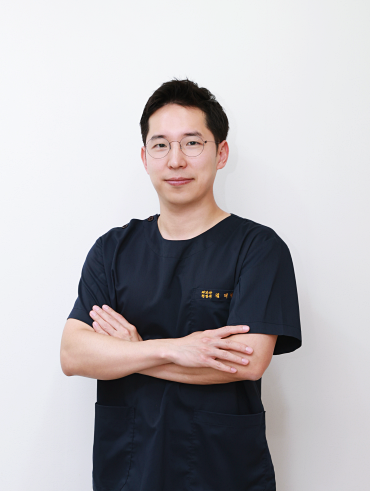
Taehyung Kim, Medical Director
Doctor's view

How the doctor decides

Taehyung Kim, Medical Director · Dermatology Specialist

I do not claim there will be no recurrence

When treating flat warts, I do not tell patients that recurrence can be avoided 100 percent. Because there is no treatment that removes the virus itself, I explain the possibility of recurrence as it is, and I build the treatment plan by focusing on ways to reduce the frequency and extent of recurrence.

I do not miss the stage when lesions are few

I recommend starting treatment right away when there are few lesions, around 2 to 3. This is because, over 11 years of practice, I have confirmed that treating while the lesions are few keeps the area of irritation and damage small, which can lower both the likelihood of recurrence and the risk of pigmentation.

I put finding even minute lesions first

I do not stop at removing only the visible lesions; I first look at a diagnosis that precisely finds even minute lesions at the 0.1mm level. If minute lesions remain, the virus remains with them, and if they are missed, lesions soon appear again even after treatment.

I do not end with treatment; I also guide lifestyle care

I do not finish the consultation with removing the lesions; I also give guidance on the habit of touching the face with the hands and on the hygiene of items that touch the face. I believe that going through, point by point, what to be careful about after treatment is part of the role of a doctor who treats flat warts.

Summary

In summary

Flat warts are an infectious disease caused by the HPV virus, so recurrence after treatment is not uncommon, but when steady lifestyle care is added to accurate diagnosis and treatment, the frequency and extent of recurrence can be reduced sufficiently. Seeing a doctor when the lesions are noticeable and bothersome but still few, around 2 to 3, can lower both the burden of treatment and the risk of scarring and pigmentation. Squeezing or touching the lesions with the hands should be avoided, as it can spread them to the surrounding area or leave scars. If new bumpy lesions have appeared on the face or neck, or if lesions seem to be increasing around a previously treated area, it is advisable to see a dermatologist.

FAQ

Frequently asked questions

QHow are flat warts different from acne or milia?
A

Flat warts are an infectious disease caused by HPV, the human papillomavirus, and they differ from general skin blemishes such as acne or milia in that touching them with the hands can spread them to the surrounding skin, increasing their number and extent. They appear as small skin-coloured papules slightly raised above normal skin and cause almost no pain.

QWhy do they come back even after treatment?
A

With current medical technology there is no treatment that completely removes the HPV virus itself, so even when the visible lesions are removed, the virus can show up again as lesions if it remains in the surrounding tissue. That is why the realistic goal is to lower the frequency of recurrence by adding lifestyle care to accurate diagnosis and treatment.

QAt how many lesions is it advisable to have treatment?
A

It is advisable to have treatment right away at the point when the lesions are noticeable and bothersome, at around 2 to 3. Treating while the number is small keeps the area of irritation and damage to the skin small, which can lower both the likelihood of recurrence and the risk of pigmentation.

QWhat lifestyle care is needed to reduce recurrence after treatment?
A

It is advisable to correct the habit of touching or rubbing the face with the hands and to avoid care that irritates the skin, such as scrubs or peels. Keeping items that come into direct contact with the face, such as puffs, smartphones, towels and bedding, thoroughly hygienic also helps to prevent reinfection.

QIs it all right to squeeze or remove the lesions by hand?
A

Squeezing or touching the lesions with the hands is not recommended. The virus can spread to the surrounding skin and widen the affected area, and there is also a possibility of scarring, so it is safer to have them removed accurately through a medical consultation.

Taehyung Kim, Medical Director
Medical review
Taehyung Kim, Medical Director · Dermatology Specialist
This content is general medical information and may not apply to every individual. Diagnosis and treatment are decided through a consultation.