Many people seek laser toning for dull pigmentation left on the face. Laser toning is a procedure that delivers low-intensity laser energy in several divided rounds to gradually lighten melanin pigment, and it is known to be less burdensome than procedures that apply strong stimulation. Right after treatment, however, the skin barrier temporarily weakens, so redness and a burning sensation appear easily.
In short, how the skin is cared for in the few days after laser toning determines how quickly pigmentation improves and how long the redness takes to settle. The key is to calm irritation with cold compresses and moisturiser, block UV thoroughly, and avoid exfoliation and hot environments; depending on the care, the course of recovery and whether pigment darkens again can differ.
How should the skin be cared for right after laser toning?
After laser treatment, heat stimulation leaves the skin thin and sensitive, so it needs gentle care that supports barrier recovery rather than strong stimulation. Scabs and redness are part of the natural recovery process.
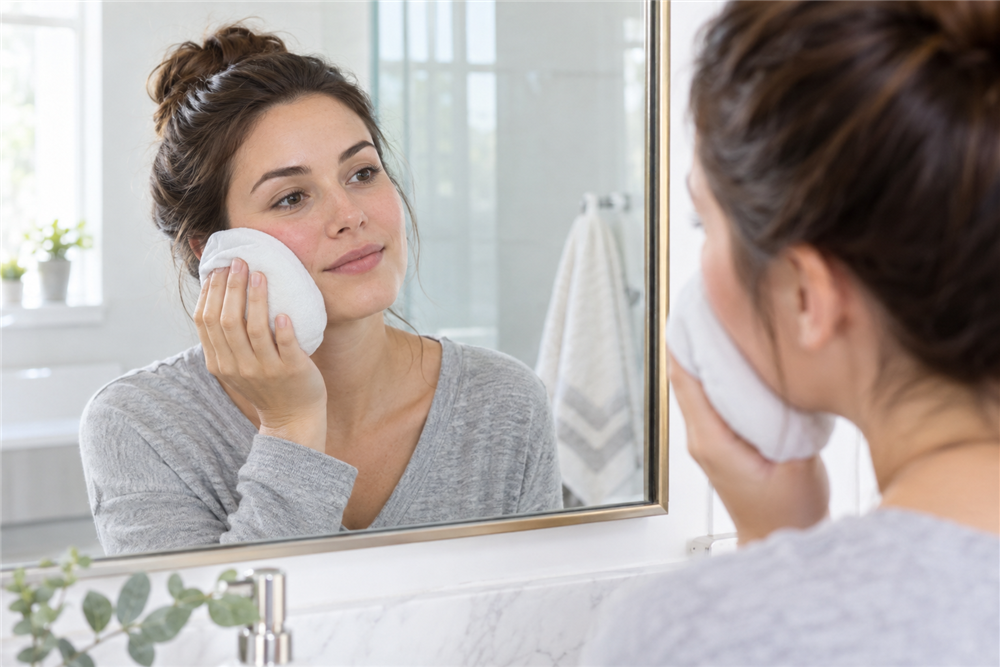
If redness lingers, do not rub your skin when cleansing, and avoid washing with hot water. When friction and heat are added to injured skin, recovery slows and the risk of pigmentation rises.
- Calming heat with cold compresses — for 1 to 2 days after treatment, soothe the burning area with an ice pack wrapped in clean gauze
- Moisture and barrier care — apply enough repair cream and moisturiser to keep sensitised skin from drying out
- Waiting for scabs to fall off naturally — removing them by hand can irritate the pigment and leave a mark, so wait
Why is sun protection the most important step after pigment laser toning?
Because laser toning lightens melanin pigment by reacting to it, UV exposure right after treatment can make the pigment darker again and extend the care period.
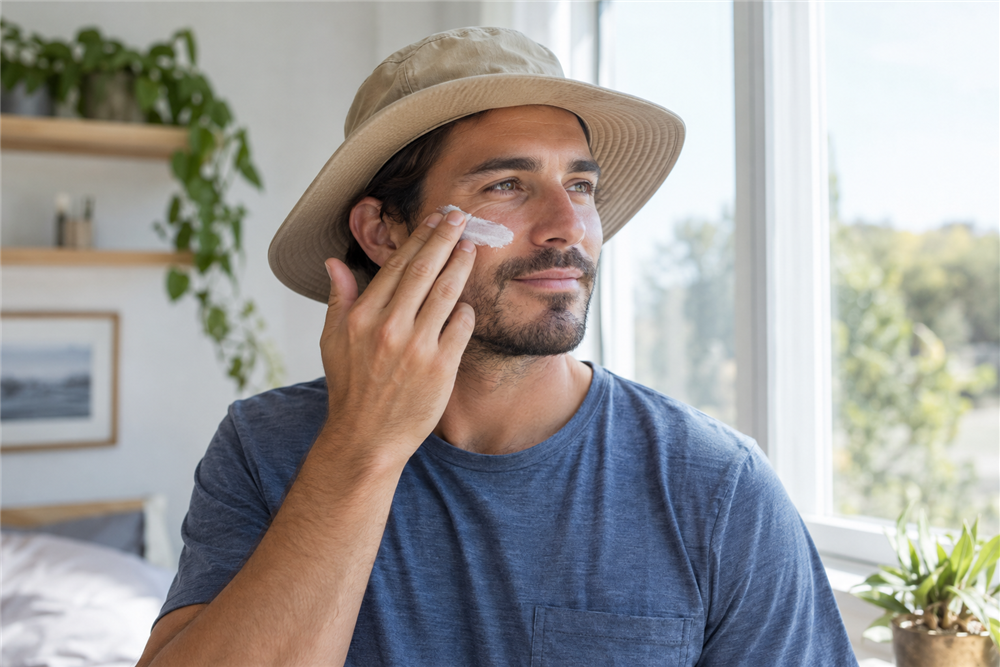
Sunscreen should be applied 30 minutes before going out so it can absorb, and reapplied every 2 to 3 hours to prevent pigment from settling again; shading the skin from direct sunlight with a hat or parasol also helps.
What should be avoided for a while after treatment?
Right after treatment, the skin has been subtly irritated even if it does not look that way, so in hot, humid conditions or when body temperature rises, blood vessels dilate and redness can last longer.
While scabs are forming, avoid exfoliating ingredients and face-washing tools that rub the skin; forcing scabs off pulls away skin that has not fully healed and leaves scarring or pigmentation.
- Avoiding hot, humid environments — stay away from saunas, heated bathhouses, strenuous exercise and alcohol for about a week after treatment
- Holding off on exfoliation and scrubs — avoid peeling or scrub products for the 3 to 5 days while scabs form
- Makeup from the following day — wash with water only on the day of treatment and start makeup lightly from the next day
What problems can arise if aftercare is neglected?
Picking scabs off by hand or stripping them with exfoliating products damages skin tissue that is still recovering, which can stimulate melanocytes and leave marks or pigmentation instead.
Consistently following just the basic care, such as cold compresses, moisturising and sun protection, lets the redness and scabs settle within a few days and the skin clear, so early care shapes the whole course of recovery.